
Custom military coins have long served as powerful symbols of honor, dedication, and unity among service members. These thoughtfully designed coins represent commitment, sacrifice, and achievement in a form that can be carried, displayed, and treasured. Their meaningful designs help preserve memories of service while reinforcing pride and recognition within military communities.
Symbolism That Reflects Honor and Service
The core value of custom military coins lies in their symbolic meaning. Each design element is carefully chosen to represent courage, loyalty, and shared purpose among service members.
- Emblems represent duty and commitment
- Symbols highlight unity and teamwork
- Insignias reflect service achievements
- Design elements honor sacrifice and bravery
- Visual storytelling preserves meaningful history
These symbolic features ensure that every coin carries a deep emotional connection to service and dedication.
Meaningful Design Enhances Recognition
Custom military coins are designed to celebrate accomplishments and recognize contributions in a meaningful and lasting way. Their detailed artwork helps convey respect and appreciation.
- Personalized designs highlight individual achievements
- Detailed engravings improve visual storytelling
- Custom shapes enhance uniqueness
- Meaningful artwork reflects service values
- Thoughtful design increases emotional impact
Through careful design, each coin becomes a lasting reminder of dedication and honorable service.
Craftsmanship That Preserves Lasting Value
High-quality craftsmanship ensures that custom military coins remain durable and visually impressive over time. Precision manufacturing techniques help maintain their significance.
- Strong materials ensure long-term durability
- Fine detailing enhances visual clarity
- Smooth finishes improve presentation quality
- Precision work ensures design accuracy
- Protective coatings preserve appearance
This attention to craftsmanship ensures that each coin continues to represent pride and honor for years.
Customization That Strengthens Personal Connection
Personalization plays a key role in making military coins meaningful. Custom design options allow each coin to reflect specific achievements, units, or missions.
- Custom engravings add personal significance
- Tailored designs reflect service history
- Flexible layouts support creative expression
- Unique symbols enhance identity representation
- Personalized details increase emotional value
These customization features ensure that every coin holds a unique and meaningful connection to its recipient.
Recognition and Unity Within Service Communities
Custom military coins are widely used to strengthen bonds and recognize contributions within service communities. They serve as lasting reminders of shared experiences and teamwork.
- Encourages pride in service accomplishments
- Strengthens unity among team members
- Recognizes dedication and commitment
- Builds morale through meaningful recognition
- Creates lasting memories of shared service
Their role in fostering connection and appreciation makes them an important part of recognition traditions.
Evolving Trends in Military Coin Design
Modern design approaches continue to enhance the creativity and significance of custom military coins. Innovation supports more detailed and meaningful representations of service.
- Advanced design techniques improve detailing
- Expanded customization increases flexibility
- Enhanced finishes elevate presentation quality
- Creative themes support unique storytelling
- Improved craftsmanship strengthens overall value
As appreciation for meaningful recognition continues to grow, many explore options to Learn more about custom military coins from Elite Custom Coins, discovering how thoughtful design can honor service members and preserve their legacy in a lasting and meaningful way.




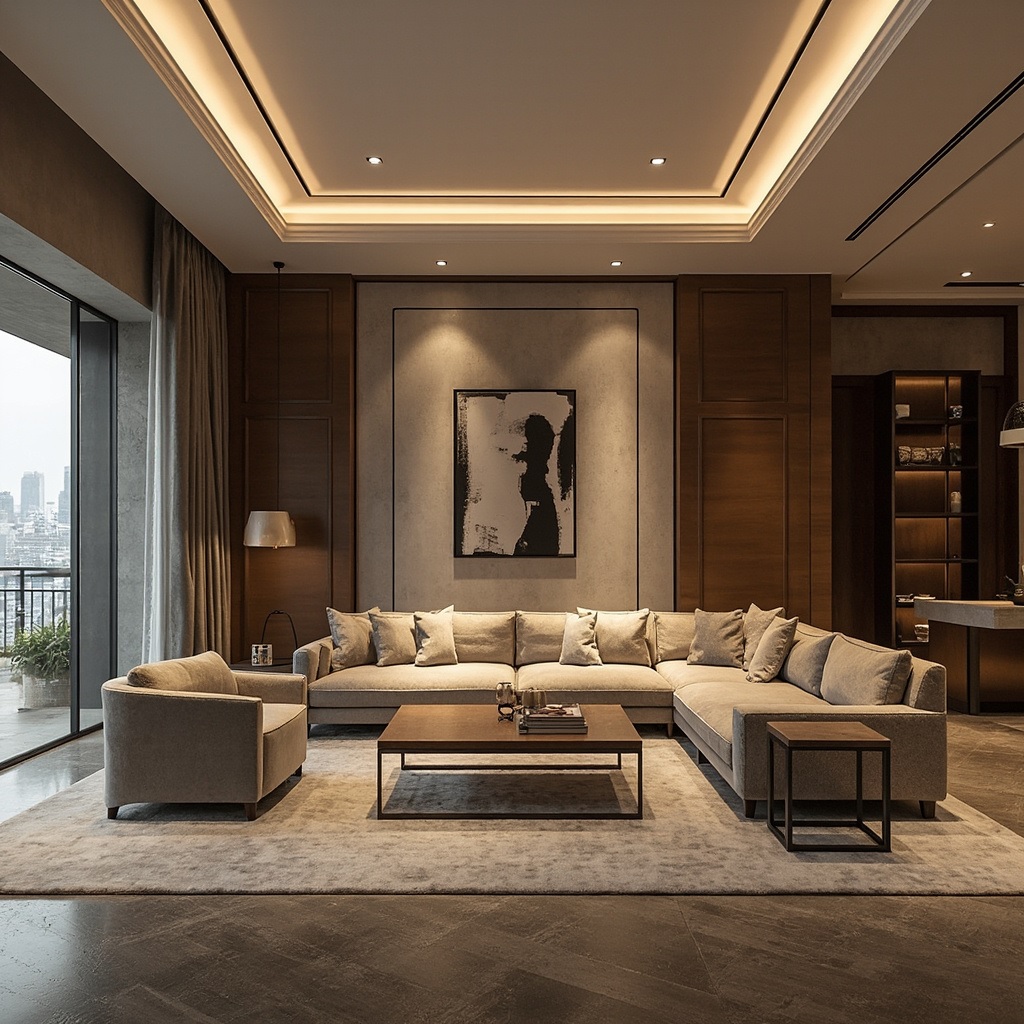 You’ve found a supplier on Alibaba with glossy photos and prices that make your CFO smile. Six months later, the headboard veneer is peeling, the drawer slides are grinding, and your five-star property looks like a budget motel. That’s the real cost of skipping the vetting process. China produces an enormous volume of hospitality furniture, but the gap between a factory that delivers precision and one that cuts corners is massive. This guide is built to help you spot the difference before you wire a single dollar.