
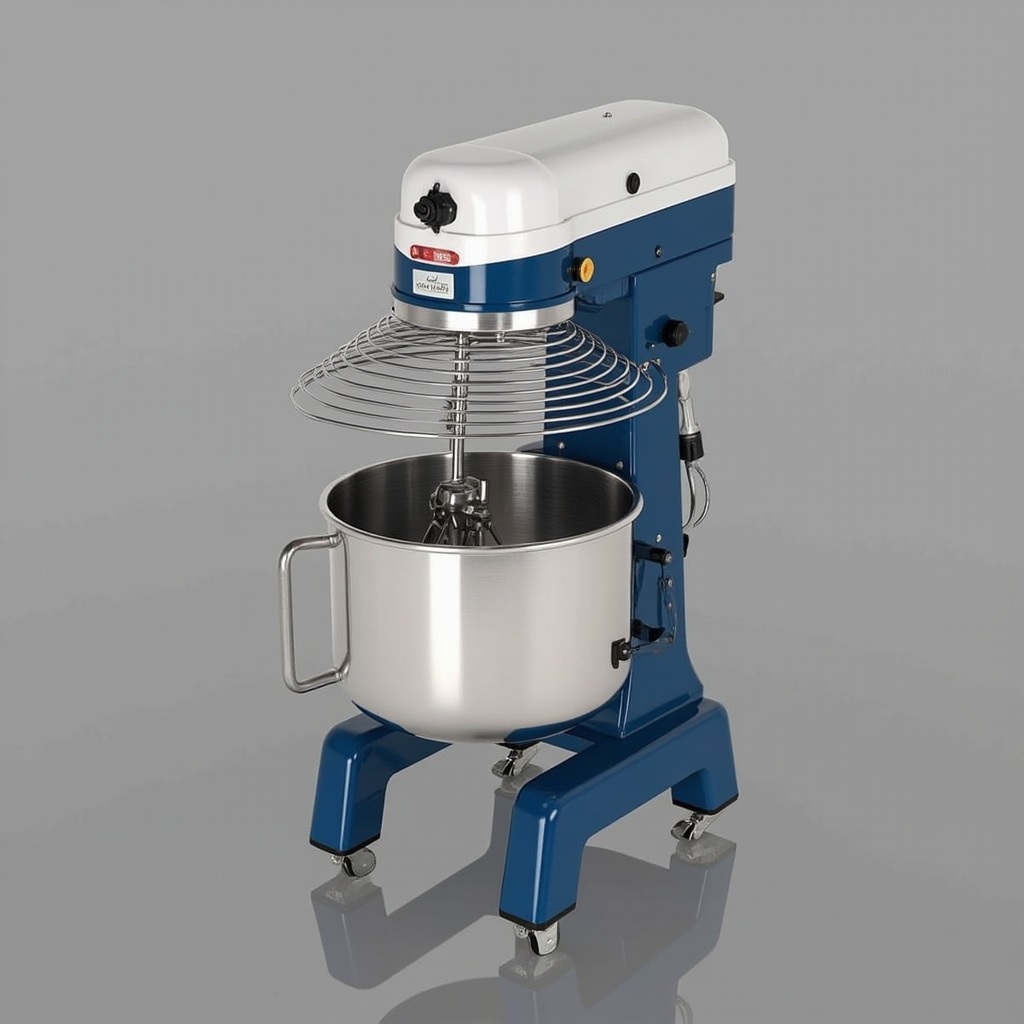
If you think buying a horizontal paddle mixer is just about picking the biggest drum and the loudest motor, you are about to waste a lot of money. The real cost of ownership hides in two places most buyers ignore: the seal that keeps your product in and the wear surfaces that slowly disappear. I have watched operations burn through budgets because they fell in love with a shiny machine that started leaking after three months. Let me save you that headache.
Start with the seal design because that is where your profit margin goes to die. A bad seal means product contamination, dust escaping into your facility, and frequent downtime for replacement. You want a double mechanical seal with a pressurized barrier system. Do not settle for a single lip seal that rubs against the shaft like a cheap windshield wiper. The best designs use a cartridge-style seal that can be replaced without pulling the entire shaft assembly. That alone can cut a four-hour repair job down to forty-five minutes.
Now look at the seal face materials. Silicon carbide running against carbon is the industry standard for a reason. It handles the abrasive fines that inevitably migrate toward the shaft. But here is the trick: check if the seal housing is jacketed. If you are mixing materials that generate heat or need temperature control, a water-cooled seal housing extends seal life by a factor of three. REFAMIX incorporates this cooling channel directly into the housing casting, which is a detail that separates engineered equipment from fabricated steel boxes.
Wear resistance is the second silent killer. Horizontal paddle mixers handle everything from dry powders to abrasive pastes, and the internal surfaces take a beating. The cheapest way to handle wear is to bolt on sacrificial liners. That sounds good until you realize those liners have bolt heads that create dead zones where material cakes up. A better approach is a continuous welded hard facing on the paddle tips and a replaceable wear plate on the bottom trough. Look for paddles with tungsten carbide or chromium carbide overlay. These are not cheap, but they last ten times longer than standard AR400 steel.
Pay attention to the gap between the paddle tip and the trough wall. A tight gap, usually around three to five millimeters, ensures efficient mixing and prevents material from building up in the dead space. But that tight gap also means the paddles will wear faster if the trough wall is not protected. The smart solution is a segmented trough liner that can be rotated or replaced individually. You do not want to scrap an entire trough because one section wore through.
The discharge valve is another wear point that gets overlooked. A slide gate valve with a replaceable wear plate on the sealing face is mandatory. If the valve seat is just raw steel, you will be chasing leaks within a year. Look for a valve that uses a pneumatic actuator with a soft-close feature to prevent slamming, which cracks seals and deforms the seat.
Finally, inspect the shaft support bearings. They are not directly in the product stream, but they take the radial load from the paddles. Sealed spherical roller bearings with a purgeable grease system are the gold standard. If the bearings are mounted inside the seal housing, you are asking for trouble. They should be outside the seal area, protected by a labyrinth seal that keeps dust out and grease in.
Do not let a salesperson dazzle you with horsepower numbers or mixing speed ranges. Those are easy to spec. The hard part is the engineering that keeps the machine running without leaking, without wearing out, and without costing you a fortune in maintenance. Focus on the seal and the wear protection, and you will own a mixer that pays for itself instead of bleeding you dry