
In a jewelry retail environment, presentation plays a critical role in how customers perceive both the products and the brand itself. Fine details, careful lighting, and intentional layout choices all work together to create an atmosphere of trust and elegance. While jewelry pieces may be small in size, the way they are displayed has an outsized influence on customer engagement and purchasing decisions.
Why Display Strategy Matters in Jewelry Retail
Jewelry is often an emotional purchase. Customers are not only evaluating design and price, but also quality, craftsmanship, and meaning. Displays that feel cluttered or inconsistent can unintentionally undermine confidence, even if the products themselves are exceptional. Clean, organized presentation helps customers focus on the details that matter, such as stone clarity, metal finish, and overall design.
Thoughtful use of jewelry store display cases allows retailers to present collections in a way that feels curated rather than crowded. When each piece has space to stand on its own, customers can appreciate individual designs without distraction.
Enhancing Visibility and Customer Flow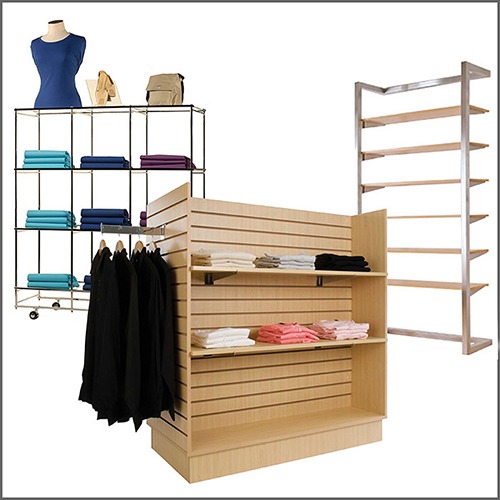
Display cases do more than protect merchandise; they help guide how customers move through the store. Strategic placement encourages browsing while preventing bottlenecks around counters. Cases positioned at natural stopping points invite customers to pause, look closer, and engage with the products.
Visibility is key. Displays should be positioned at comfortable viewing heights and supported by balanced lighting that highlights detail without glare. When customers can clearly see items without straining or leaning, they are more likely to interact and ask questions, leading to deeper engagement and higher conversion rates.
Supporting Brand Identity Through Design
Every jewelry brand has a distinct identity, whether it leans toward luxury, minimalism, or handcrafted charm. Display cases should reinforce that identity rather than compete with it. Sleek glass and metal finishes can complement modern collections, while warmer tones may suit vintage or artisan-inspired pieces.
Consistency across displays helps the store feel cohesive. When cases share similar materials, finishes, and proportions, the overall environment feels intentional and professional. This consistency builds trust, especially for first-time visitors who are forming their initial impression of the brand.
Flexibility for Changing Collections
Jewelry trends and collections change frequently, making flexibility an important consideration. Display systems that allow for easy rearrangement help retailers refresh their store without major disruptions. Rotating featured pieces, seasonal collections, or limited-edition items keeps the space feeling dynamic and encourages repeat visits.
Adaptable displays also support merchandising strategies. Highlighting bestsellers or new arrivals in prominent cases can subtly influence purchasing decisions without the need for aggressive signage or promotions.
Maintaining a Polished Retail Environment
Clean, well-maintained displays signal care and attention to detail. Regularly checking for smudged glass, uneven spacing, or worn materials ensures that the store always looks its best. Customers often associate the condition of displays with the quality of the jewelry itself.
In the long term, investing in thoughtful display solutions supports both aesthetics and functionality. When presentation, organization, and brand identity work together, the shopping experience feels seamless. This not only enhances customer satisfaction but also strengthens the overall perception of the store as a trusted place to purchase meaningful pieces.